

Are you confused about choosing between deep learning and traditional machine vision technologies, or did you not have sufficient knowledge? We understand that managing production, inspection, and smooth operations in every industry is difficult, whether you are regulating the manufacturing, automation, robotics, or quality inspection industry. For smooth industrial operations, a deep learning or traditional machine learning vision system helps improve production efficiency, reduce defects, and keep your industry updated with 4.0 smart manufacturing units. The traditional machine vision system normally follows the rules and regulations, and it needs to be operated manually; it inspects products by following fixed rules.
This machine vision system is usually more affordable because it works well in stable environments and inspects products at the same time every day. When we say it in simple terms, it needs to operate manually with lots of human effort. On the other hand, deep learning works like the human brain smartly; it does not follow strict rules, it learns by monitoring in real time. Let’s understand it with the example: it learns the product build pattern, and every corner of the product or its learning algorithm makes it much better for handling complex inspection and unexpected variations. Moreover, it combines with smart computing power and requires a huge investment. Let’s know about the difference between deep learning and traditional inspection systems. Understanding the difference helps you to select the right one.
Table of Contents
What Is Traditional Machine Vision?
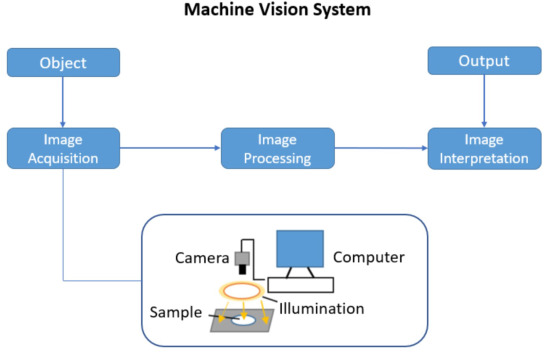
This is the rule based product inspection system that works with predefined algorithms to evaluate and analyze the visual data. It requires human input and follows programmed instructions, such as measuring, dimensions, and detecting edges, to identify the patterns and errors of the product. This system performs mainly in an environment where proper lighting, positioning, and product appearance are clear. Most of the manufacturing units and warehouses use this for inspecting product quality, inspection, and defect detection.
What Is Deep Learning Based Machine Vision?
Deep learning machine vision systems use AI-based algorithms for analyzing the image of a product, and they make decisions quickly. This learning system doesn’t follow the fixed rules; it learns and performs actions, and it recognizes patterns, defects, and variations of the product automatically. This smart learning feature makes it highly effective for complex inspections, such as those involving different shapes, textures, and lighting conditions. The deep learning vision system is commonly used in smart manufacturing industries for quality inspection and improving productivity with faceted data.
What Are The Core Technology Differences Between Rule-Based And Learning-Based?
There is a main difference between the two machine vision sensors, one working with rule-based and 2nd performs its activities using machine-learning algorithms.
| Aspect | Traditional Machine Vision | Deep Learning Vision |
| Logic | Rule-based | Data-driven |
| Setup | Manual configuration | Model training |
| Flexibility | Low | High |
| Learning | No learning | Continuous improvement |
| Complexity handling | Limited | Excellent |
What Are The Data, Training & Setup Requirements For A Machine Vision System?
When it comes to using traditional or machine vision systems, they have different approaches. The traditional machine vision system doesn’t require any training or data; workers and engineers use this system by defining rules and parameters that make it a quick, simple, and repetitive task. A smart machine vision system works with a data-based system, they recognize the patterns and detects products. Choose leading industrial automation company like Unseen Era. Traditional Machine Vision:
- No training required
- Engineers define rules and parameters
- Quick and easy setup for simple tasks
Deep Learning Machine Vision:
- It requires thousands of labeled images
- Requires training or other powerful hardware
- Initial setup and longer improvements for flexibility and accuracy
Why Accuracy, Flexibility, And Scalability Matter?
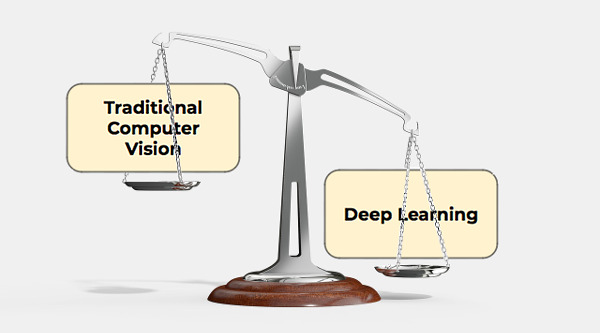
Flexibility, scalability, and accuracy are maintained because the machine vision system performs reliable activities to eliminate defects.
- Accuracy: it helps for reducing defects and material wastage.
- Flexibility: it easily adapt the environment or product changes
- Scalability: it handles the higher volume and makes new product inspections easy
What Are The Best Use Cases Of A Machine Vision System?
The industrial machine vision system, industrial vision lights, and indutrial camera lenses. is widely used in various industries for improving efficiency, quality, and accuracy. Traditional Machine Vision System:
- It inspects the assembly lines and checks dimensions and shapes.
- It scans barcodes and labels, making it fast and reliable in a setting.
- Simply detect the defects, such as scratches, missing parts, and misalignments.
Deep Learning Machine Vision System
- It works with complexity and quality inspection for detecting irregularities.
- Analyse medical images such as X-rays
- Recognising the road conditions and vehicles
- Handling product variations without human efforts
Let’s Understand The Step-By-Step Guide For Choosing The Right System.
Choosing the right industrial vision system isn’t complicated; you just need to follow these key steps below:
- You need to determine the tasks simply and repetitively.
- Ensure environmental sustainability.
- Estimate data availability for rule-based vision.
- Calculate the total cost, including implementation.
- Quick testing of sensors
- Scale after validation
People Also Ask: Deep Learning vs Traditional Machine Vision: Key Differences
Q.1 Does the traditional machine vision system support AI?
A: No, the traditional machine vision system doesn’t support AI learning algorithms.
Q.2 How does the machine vision system process the image?
A: The machine vision system works by capturing images using AI-based rules and pattern defects.
Q.3 How does it help to improve productivity in a large space?
A: The deep learning machine vision automates the inspection and eliminates errors across large spaces.